.png)
The Role of Hands-On Skills in Trades: The Importance of Practical Skills Training

When I first started exploring a career in trades, I quickly realized that knowing theory alone wasn’t enough. Trades like HVAC, plumbing, and electrical work demand more than just book smarts. They require hands-on skills that you can only develop by doing the work yourself. This is why practical skills training is so important. It bridges the gap between classroom learning and real-world job readiness.
Hands-on experience builds confidence, sharpens problem-solving abilities, and prepares you for the unexpected challenges you’ll face on the job. In this post, I’ll share why practical skills training is essential, how it benefits both beginners and seasoned pros, and what you can do to improve your hands-on abilities.
Why Practical Skills Training Matters in Trades
Trades are all about applying knowledge in real situations. You can read about wiring a circuit or fixing a furnace, but until you actually do it, the concepts might not fully click. Practical skills training gives you that crucial experience.
Here’s why it matters:
Builds Muscle Memory: Repeating tasks like soldering pipes or installing electrical components helps your hands learn the motions. This muscle memory makes your work faster and more accurate.
Teaches Problem-Solving: No two jobs are exactly the same. Hands-on work exposes you to different scenarios, helping you think on your feet and adapt.
Boosts Confidence: When you’ve successfully completed a task yourself, you feel more confident tackling similar challenges in the future.
Improves Safety: Trades can be dangerous if you don’t know what you’re doing. Practical training teaches you how to work safely and avoid accidents.
Prepares for Certification: Many trade certifications require practical exams. Training hands-on ensures you’re ready to pass these tests.
If you want to excel in trades, practical skills training is not optional - it’s essential.

The Importance of Practical Skills Training for Career Growth
Whether you’re just starting out or have years of experience, practical skills training can take your career to the next level. Here’s how:
For Beginners: It helps you understand the basics and build a solid foundation. You learn how to use tools properly and get familiar with common materials.
For Experienced Professionals: It keeps your skills sharp and up to date. Trades evolve with new technologies and methods, so ongoing hands-on training is key.
Increases Employability: Employers want workers who can hit the ground running. Practical experience shows you’re job-ready.
Opens Doors to Specializations: Hands-on training can introduce you to specialized areas like HVAC controls or advanced electrical systems.
Enhances Problem Diagnosis: The more you work with real equipment, the better you become at quickly identifying issues.
At QuickFast Service Academy, we focus on practical skills training because we know it’s the fastest way to prepare students for real jobs. Our hands-on approach helps learners gain the confidence and competence they need to succeed.
How Hands-On Skills Improve Job Performance
When you’re on the job, theory only takes you so far. Hands-on skills make a real difference in how well you perform. Here’s what I’ve noticed:
Efficiency: Skilled hands get the job done faster without sacrificing quality.
Accuracy: Practical experience reduces mistakes, which saves time and money.
Adaptability: You learn to troubleshoot unexpected problems on the spot.
Customer Satisfaction: When you do quality work quickly, customers notice and appreciate it.
Teamwork: Hands-on training often involves working with others, improving communication and collaboration.
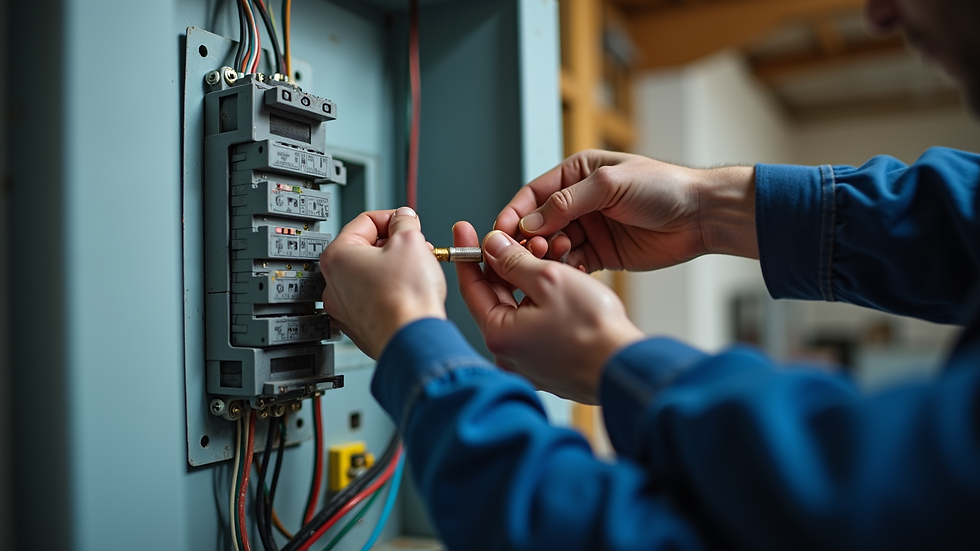
For example, in HVAC work, knowing how to properly install and calibrate a thermostat requires more than reading a manual. You need to physically handle the device, connect wires, and test the system. This kind of experience can only come from practical training.
Tips to Develop Your Hands-On Skills in Trades
If you want to improve your practical skills, here are some actionable steps you can take:
Enroll in a Hands-On Training Program: Look for courses that emphasize real-world practice, like those offered by QuickFast Service Academy.
Practice Regularly: Set aside time to work on projects or practice tasks, even outside of formal training.
Use Quality Tools: Familiarize yourself with the tools you’ll use on the job. Good tools make learning easier.
Seek Mentorship: Work alongside experienced tradespeople who can guide you and share tips.
Take on Small Jobs: Volunteer for small repair or installation tasks to build confidence.
Watch and Learn: Use videos and tutorials to supplement your hands-on practice.
Reflect on Your Work: After each task, think about what went well and what you can improve.
Remember, developing hands-on skills is a journey. Be patient with yourself and keep practicing.
Embracing Hands-On Training for a Successful Trade Career
Hands-on skills are the backbone of any trade. They turn knowledge into action and prepare you for the realities of the job. Whether you’re just starting or looking to advance, investing in practical skills training will pay off.
At QuickFast Service Academy, we’re committed to helping you build these essential skills. Our programs are designed to get you ready for real jobs quickly and confidently. If you want to learn more about how practical training can boost your career, check out our offerings.
Taking the step to improve your hands-on skills is one of the best decisions you can make for your future in trades. It’s not just about learning - it’s about doing, growing, and succeeding.
If you want to explore practical skills training further, visit QuickFast Service Academy to find out how we can help you start or advance your career in trades.


Comments